
Precious metals are the foundation of every piece of fine jewelry. Their color, hardness, and durability determine how a mounting behaves during production and how the finished piece wears over time.
Below you will find an overview of the metals most commonly used in professional jewelry manufacturing: gold (in different karats and colors), platinum, and silver. Each metal has its own characteristics and advantages, which makes it important to select the right one for each design.
Gold
Gold is the standard metal in fine jewelry. In its pure form (24K), it is soft and not suitable for mountings or pieces that require strength. To make gold harder and more durable, it is alloyed with other metals such as copper, silver, palladium, or nickel. The percentage of pure gold determines the karat.
Gold Karats
24K Gold (99.9% Pure)
24K gold has a deep, saturated yellow color. Although visually striking, it is very soft and easily deforms, which makes it unsuitable for mountings or jewelry that requires structural strength. It is mainly used in cultural or investment pieces rather than in professional fine jewelry production.
18K Gold (75% Pure)
18K gold contains 75% pure gold. It has a warm, rich color and is often chosen for high-end jewelry where the depth of tone is important. This is the premium choice for luxury pieces.
14K Gold (58.5% Pure)
14K gold contains 58.5% pure gold. It is slightly lighter in color but more resistant to wear, making it a very practical choice for rings and mountings worn daily. This offers the best balance of beauty and durability.
10K Gold (41.7% Pure)
10K gold contains 41.7% pure gold. It is very strong due to its high alloy content and has a paler appearance. Although durable, it is less commonly used in high-end European jewelry because the lower gold content results in a less refined color.
At Antwerp Mounts, we work primarily with 14K and 18K gold, as these karats offer the best balance of color, durability, and workability during production.
Gold Colors
The color of gold depends on the composition of the alloy. By adjusting the proportions of copper, silver, palladium, or nickel, different tones can be created.
Yellow Gold
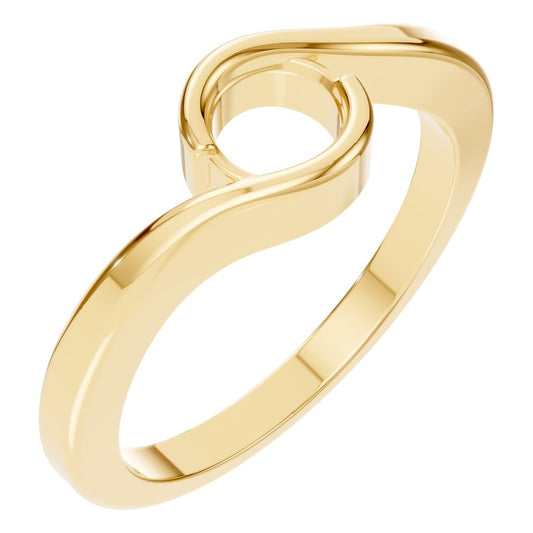
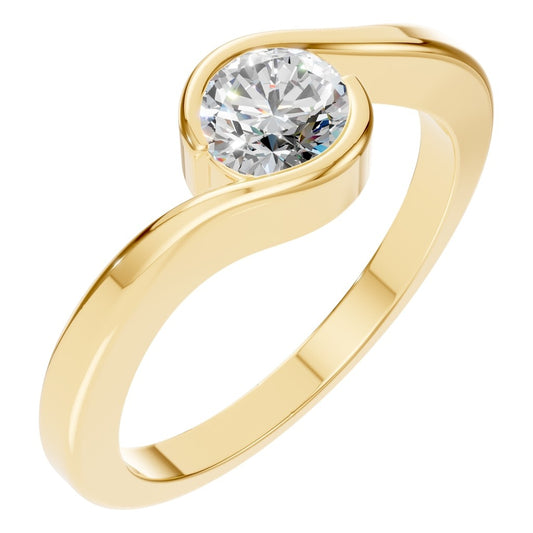
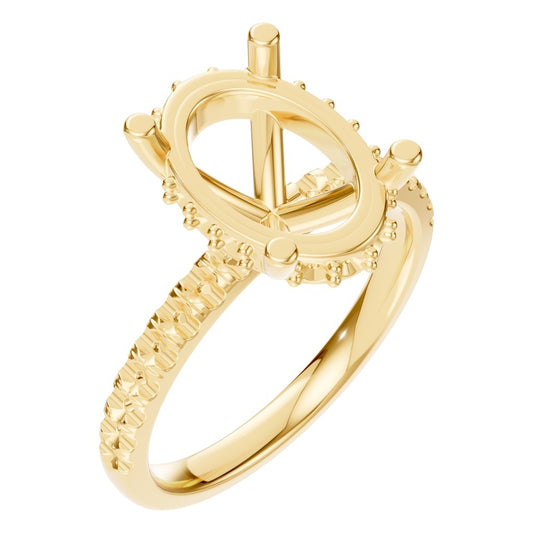
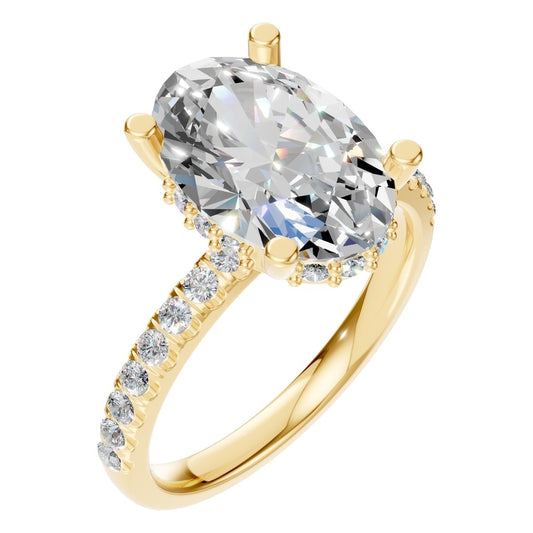
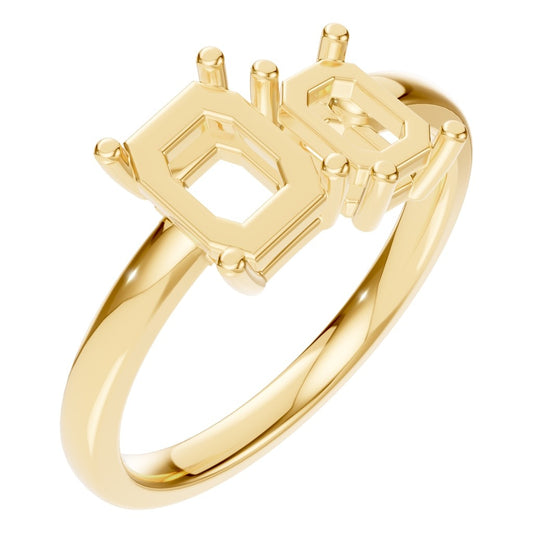
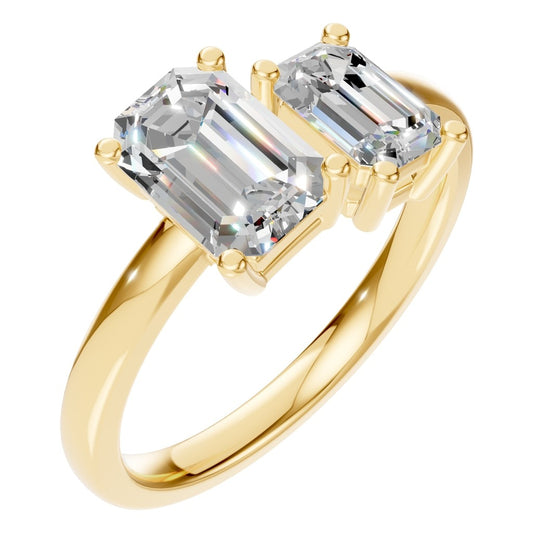
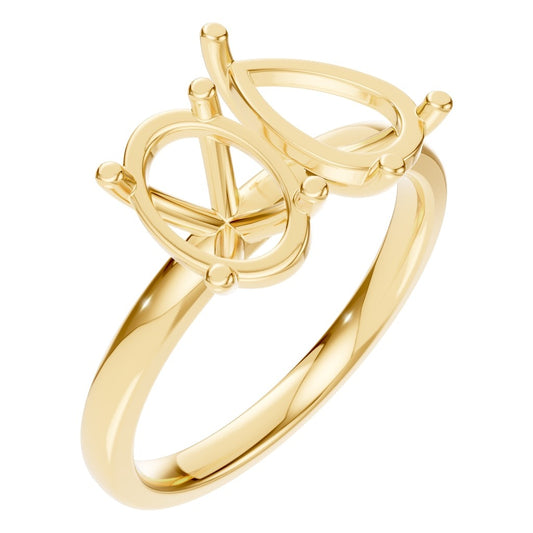
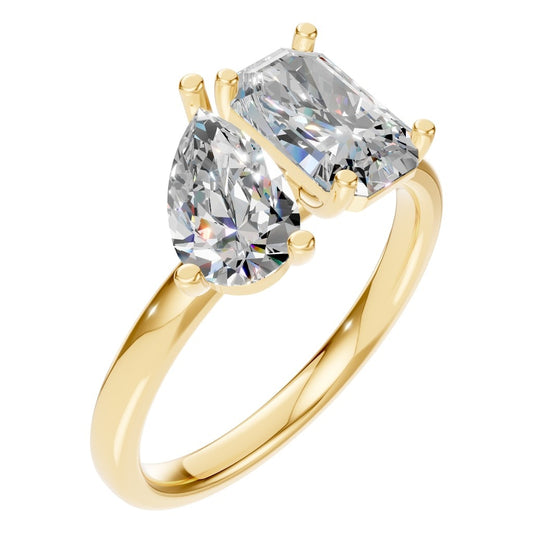
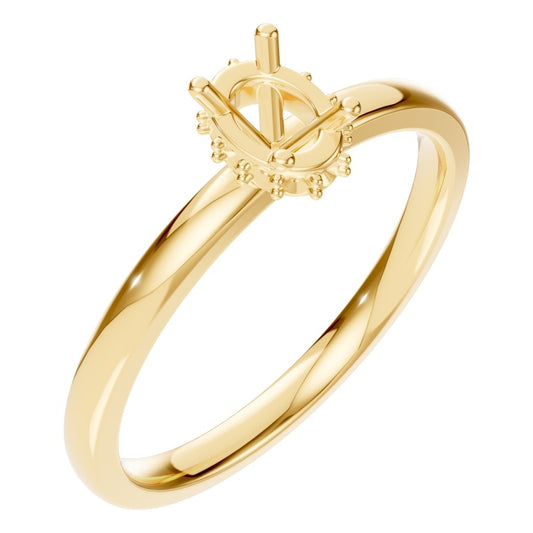
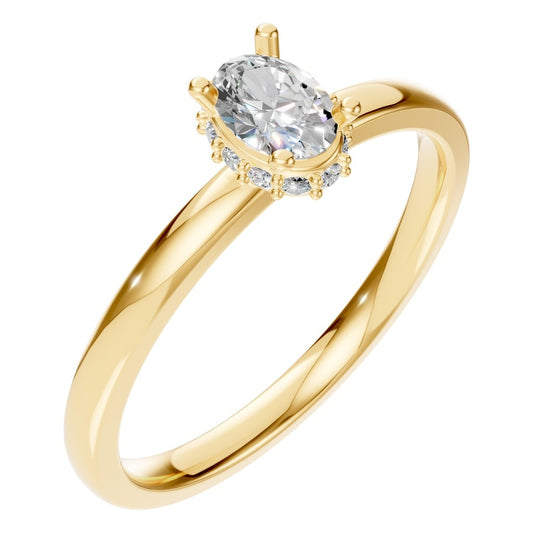
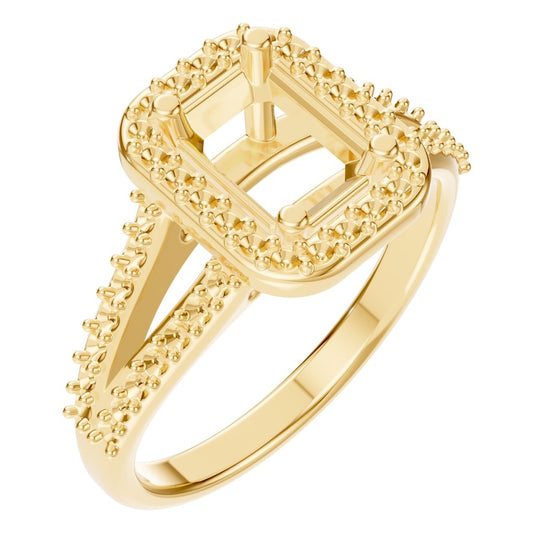
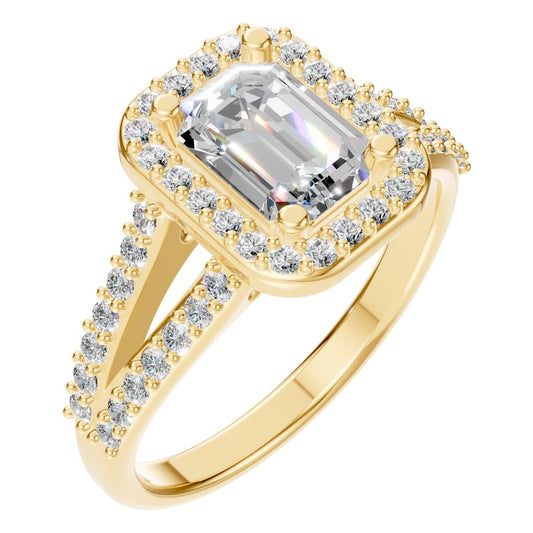
Yellow gold is closest to the natural color of gold. The alloy typically includes silver and copper. It gives a warm tone that suits both classic and modern designs. It is stable, easy to polish, and performs reliably during casting and stone setting.
Rose Gold
Rose gold receives its pink color from copper. This alloy is durable and has become a popular choice for both contemporary and vintage-inspired pieces. The warmth of rose gold pairs well with many gemstones. Some clients may be sensitive to copper, but overall rose gold remains a reliable metal for everyday wear.
White Gold
White gold is made by alloying gold with metals that lighten the color, such as palladium, silver, or nickel. Most white gold is rhodium-plated for a bright, reflective finish. Over time, this layer can wear and may need to be renewed.
Palladium-based alloys are softer in tone and hypoallergenic; nickel-based alloys are stronger but not suitable for everyone. White gold is often chosen for diamond jewelry because the color complements the stone and gives strong support for prongs.
EU Metal Safety Standards
Jewelry sold within the European Union must comply with strict safety regulations. The most specific rule concerns nickel: items in direct and prolonged contact with the skin may not release more than 0.5 μg/cm²/week.
All Antwerp Mounts alloys remain well below this limit. Metals such as copper, palladium, and silver do not have individual release limits, but they must meet the broader REACH requirements, which restrict harmful substances like cadmium and lead.
Our workshop follows all applicable EU guidelines, ensuring that every piece we produce is safe for everyday wear.
Platinum
Platinum is a premium metal used in fine jewelry. It is naturally white, dense, and highly resistant to wear. Unlike white gold, platinum does not require rhodium plating.
It is malleable enough for precise stone setting while still extremely strong, making it a preferred choice for mountings with valuable stones where security is a priority. Platinum is also hypoallergenic, which makes it suitable for clients with sensitive skin.
Note: While our standard stock does not include platinum mountings, they are available on order.
Silver
Silver has a bright, clean shine and is widely used in jewelry, although less frequently in fine mountings. It is softer than gold and platinum and can scratch more easily. Silver also tarnishes over time and requires regular cleaning.
Sterling silver (92.5% pure silver) is the most common alloy in the jewelry industry. It is well suited for larger pieces, decorative elements, and items that do not carry significant mechanical stress.
Note: At Antwerp Mounts, we do not produce mountings in silver, as its softness and tendency to tarnish make it less suitable for secure stone settings and long-term wear.
Choosing the Right Metal
The choice of metal depends on the design, intended use, budget, and the expectations of the wearer:
| Metal | Best For | Considerations |
|---|---|---|
| 14K Gold | Everyday jewelry, practical wear | Strong, good value, slightly lighter color |
| 18K Gold | Luxury pieces, rich color | Warmer tone, softer than 14K |
| Platinum | High-value stones, sensitive skin | Premium price, exceptional durability |
| Silver | Decorative, fashion jewelry | Requires maintenance, not for fine settings |
At Antwerp Mounts, all mountings are produced in 14K and 18K gold. Platinum options are available upon request.
Questions?
Need help choosing the right metal for your project? Contact us—we're happy to advise.