
Stone settings determine both the appearance and the security of a piece of jewelry. Each setting type has its own advantages in terms of durability, light performance, and aesthetic style.
Below you will find an overview of the most commonly used settings in professional jewelry production.
Pavé Setting
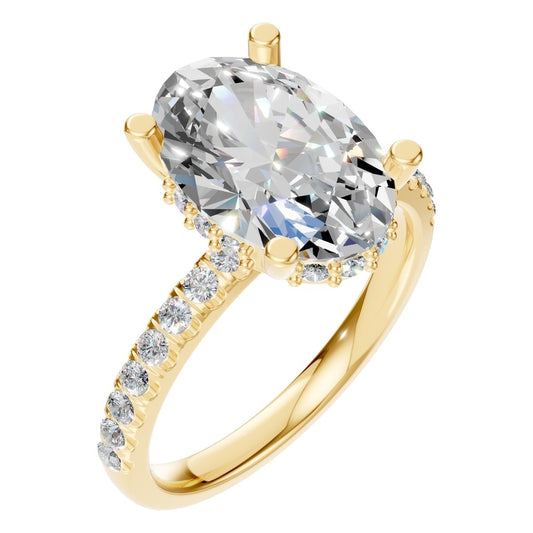
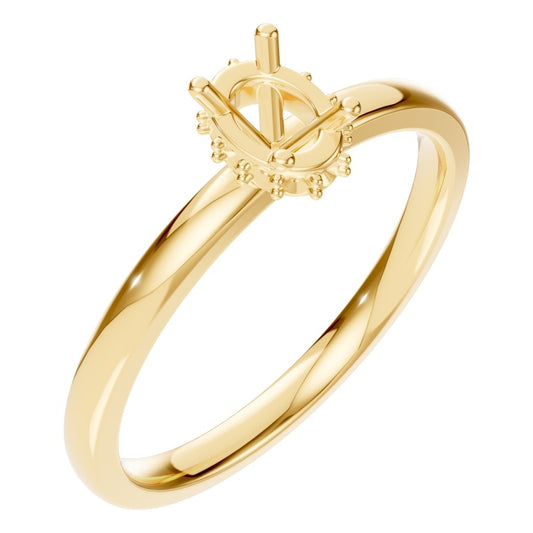
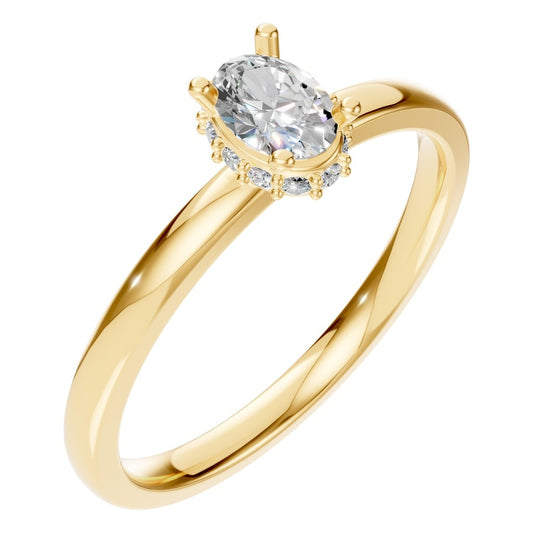
In a pavé setting, small diamonds are placed very close together, creating the effect of a continuous surface of sparkle. The stones are held in place by tiny beads of metal.
Pavé is often used for engagement rings, earrings, and bracelets where extra brilliance is desired. It requires clean casting and precise setting to ensure stability and an even pattern.
Best for: Engagement rings, earrings, bracelets requiring extra brilliance
Prong Setting
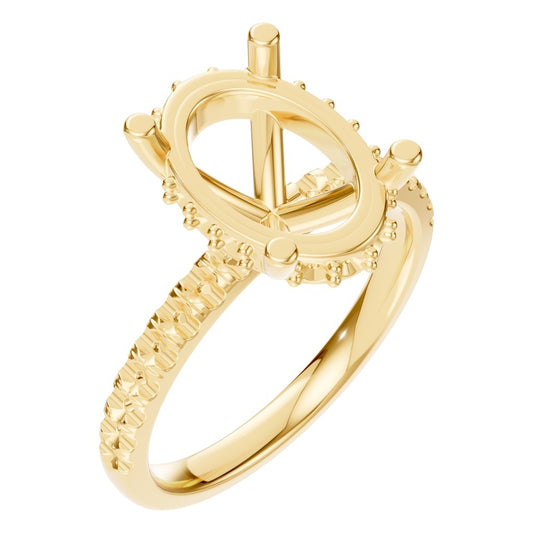
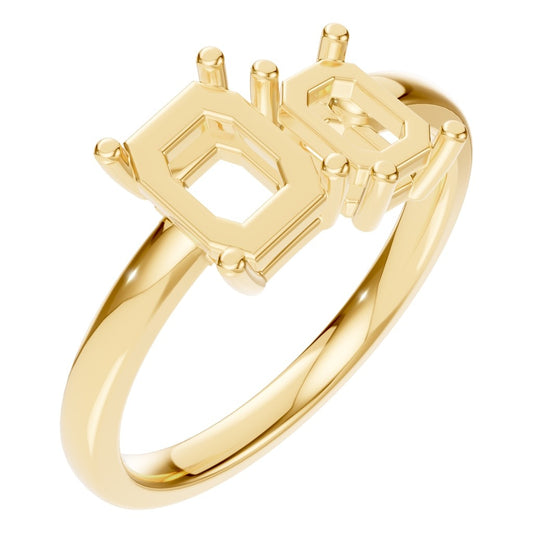
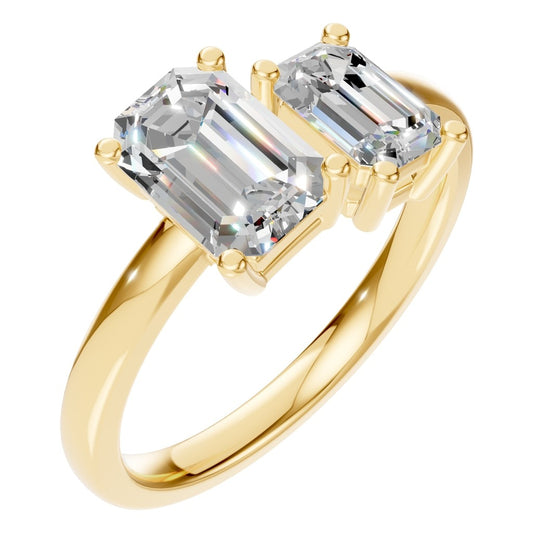
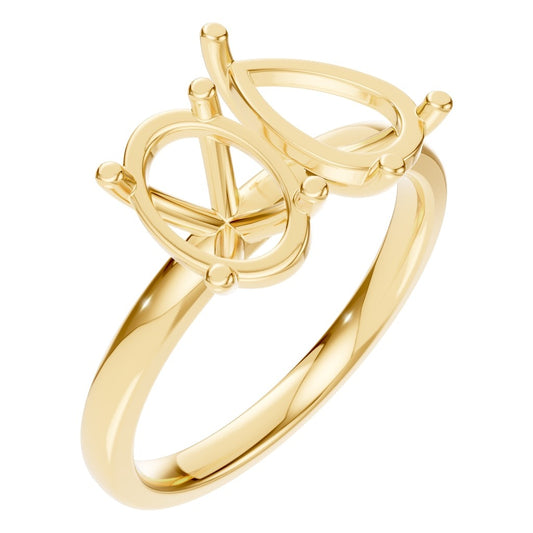
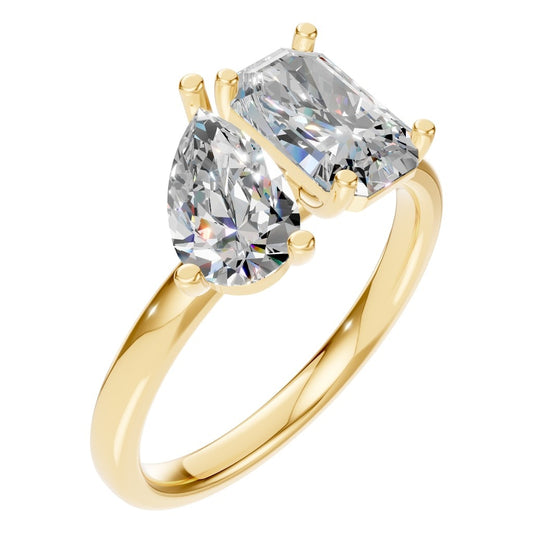
Prong (claw) setting is one of the most traditional and widely used setting types. The stone is held by several metal prongs—usually four or six—that lift it above the metal and allow maximum light to enter the diamond.
Prong settings are used for solitaires, side stones, stud earrings, pendants, and many classic designs. They offer strong security while keeping the stone highly visible.
Best for: Solitaires, stud earrings, pendants, classic designs
Bezel Setting
A bezel setting surrounds the stone completely or partially with a thin band of metal. This gives excellent protection and a smooth, modern look.
Bezels are ideal for everyday jewelry, pieces designed for durability, and softer gemstones that benefit from more protection. Full and half bezels are both common.
Best for: Everyday jewelry, active lifestyles, softer gemstones
Channel Setting
In channel settings, stones are placed in a row between two parallel walls of metal. The stones sit flush with the surface, creating a sleek and continuous line.
Channel settings are frequently used in eternity rings, wedding bands, and bracelets. Because the stones are protected from impact, the setting is highly practical for daily wear.
Best for: Eternity rings, wedding bands, bracelets
Flush (Hammer) Setting
In a flush setting, the stone is set directly into the metal so that it lies level with the surface. The metal is gently hammered around the stone to secure it.
This technique is used in contemporary designs, men's rings, and certain bracelet styles. It offers excellent protection and a minimalist look.
Best for: Contemporary designs, men's rings, minimalist styles
Cluster Setting
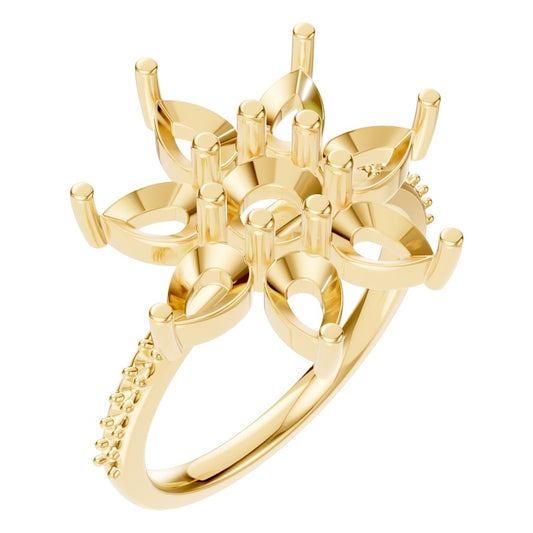
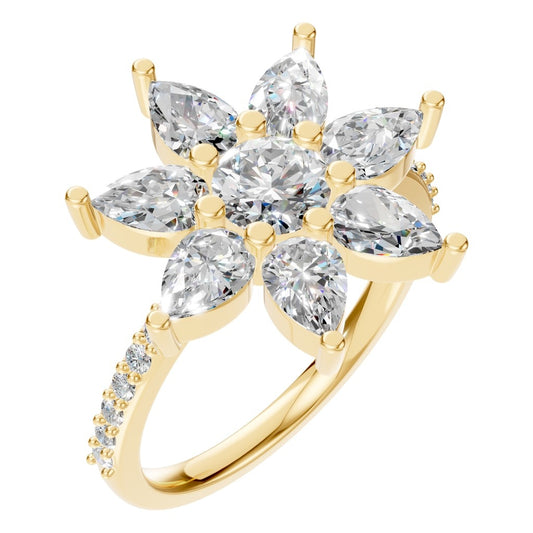
A cluster setting groups several smaller stones closely together to create the impression of a larger gemstone or floral design.
This style is often used in pendants, earrings, and vintage-inspired pieces. It allows for creative layouts and eye-catching shapes.
Best for: Pendants, earrings, vintage-inspired pieces
Halo Setting
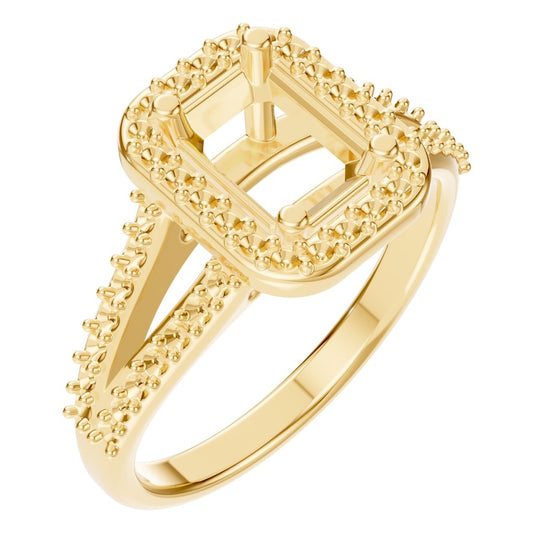
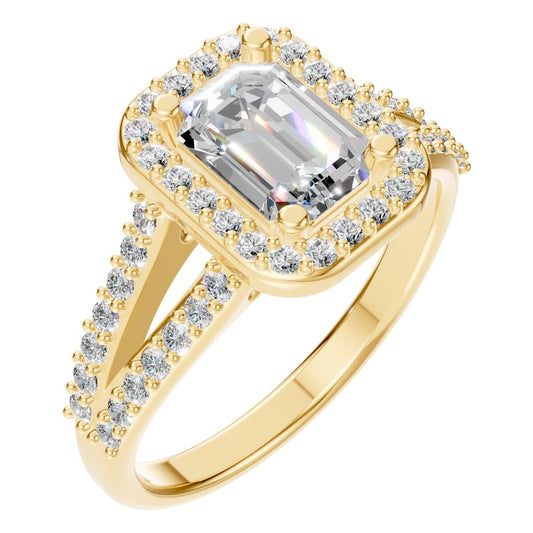
A halo setting places a central stone in the middle of a circle (or other shape) of small diamonds. The halo increases brilliance and makes the center stone appear larger.
It is widely used in engagement rings, earring settings, and pendant designs.
Best for: Engagement rings, earrings, pendants
Bar Setting
In a bar setting, stones are held in place by vertical metal bars on either side. The sides of each stone remain partially visible, creating a geometric look.
Bar settings are used in rings and bracelets that aim for a clean, modern line.
Best for: Modern rings and bracelets, geometric designs
Selecting the Right Setting
The choice of setting depends on several factors:
- The shape and size of the stones
- The intended use (daily wear, high-end piece, special occasion)
- The desired level of protection
- Style preference (classic, modern, minimalistic, ornate)
At Antwerp Mounts, all settings are available in 14K and 18K gold, produced locally with strict quality control. Custom variations can be made on request.
Questions?
Need advice on which setting is right for your project? Contact us—we're happy to help.